
Nigeria, Africa's most populous nation, has witnessed a surge in lending options in recent times. While this financial inclusion is crucial for economic development, a shadow lurks within this progress: predatory lending. This practice targets low-income earners with deceptive tactics and excessive interest rates, trapping them in a cycle of debt. This article delves into the risks of predatory lending in Nigeria, its impact on low-income earners, and explores potential solutions.
Understanding Predatory Lending:
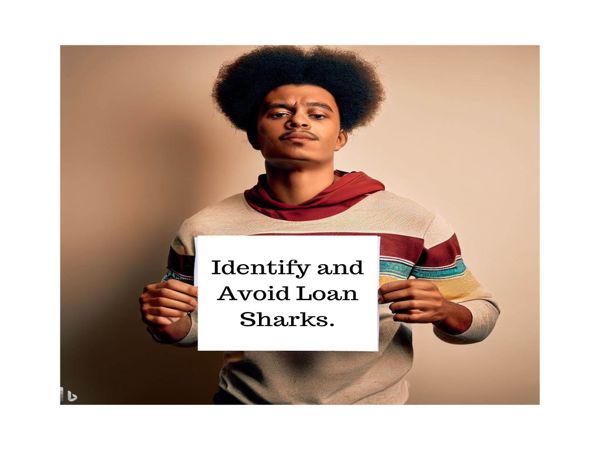
Predatory lending describes deceptive or unfair lending practices that exploit a borrower's financial vulnerability. Lenders often target low-income earners who may have limited financial literacy or lack access to traditional banking options. Here are some red flags to identify predatory lenders:
- Exorbitant Interest Rates: Interest rates significantly exceeding market averages are a telltale sign. These rates can quickly snowball, making it nearly impossible to repay the loan.
- Hidden Fees: Predatory lenders may bury hefty origination fees, processing charges, or late payment penalties within the loan terms, further burdening borrowers.
- Deceptive Marketing: Lenders might use misleading advertisements or pressure tactics, downplaying the loan's true cost and repayment burden.
- Short Repayment Terms: Predatory loans often come with unrealistic repayment schedules, forcing borrowers to take out new loans just to service the existing ones.
- Lack of Transparency: Predatory lenders may provide unclear loan terms or contracts with confusing language, making it difficult for borrowers to understand the true cost of borrowing.
Impact on Low-Income Earners:
Low-income earners are particularly susceptible to predatory lending due to several factors:
- Limited Financial Options: Formal financial institutions might have stricter eligibility criteria, leaving low-income earners with fewer options. Predatory lenders exploit this gap, offering easy access to credit at a steep cost.
- Financial Vulnerability: Low-income earners often face financial emergencies or limited savings. Predatory lenders take advantage of these vulnerabilities, pushing quick loan options without considering the borrower's ability to repay.
- Lack of Financial Literacy: Limited financial literacy can make it difficult for low-income earners to understand loan terms, identify predatory practices, and negotiate better deals.
The consequences of predatory lending on low-income earners are severe:
- Debt Burden: Exorbitant interest rates and fees quickly trap borrowers in a cycle of debt, making it hard to meet basic needs and hindering financial progress.
- Asset Loss: Predatory loans can lead to defaults and asset repossessions, further jeopardizing a borrower's financial security.
- Psychological Stress: The constant pressure of debt repayment and the fear of losing assets can cause significant emotional and mental stress for borrowers.
Examples of Predatory Lending in Nigeria:
- Informal Money Lenders: Local money lenders often charge exorbitant interest rates, sometimes exceeding 100% per annum. They might resort to aggressive collection tactics, further pressuring borrowers.
- Payday Loans: These short-term loans with extremely high-interest rates target individuals until their next paycheck. The cycle of renewing these loans to repay earlier ones can quickly spiral out of control.
- Mobile Loan Apps: While offering convenience, some mobile loan apps exploit borrowers' financial desperation with hidden fees and unrealistic repayment terms.
Solutions to Predatory Lending:
Combating predatory lending requires a multi-pronged approach:
- Regulation: Stronger regulations with stricter limitations on interest rates and fees can deter predatory lenders.
- Financial Literacy Programs: Government and financial institutions can collaborate to educate low-income earners on responsible borrowing practices, helping them identify predatory lenders.
- Promoting Access to Traditional Banking: Expanding access to traditional banking services can provide low-income earners with safer and more affordable loan options.
- Credit Bureaus and Credit Scores: Building a robust credit bureau system and utilizing credit scores can help low-income earners access better loan terms from responsible lenders.
- Technology Solutions: Developing innovative technology solutions can connect low-income earners with reputable lenders and offer financial management tools.
Conclusion:
Predatory lending preys on the financial vulnerabilities of low-income earners in Nigeria. It hinders financial inclusion and traps them in a cycle of debt. By implementing stricter regulations, promoting financial literacy, and expanding access to responsible financial services, Nigeria can create a more inclusive and sustainable financial ecosystem that empowers low-income earners.
Citizen awareness and responsible borrowing practices are also crucial. Individuals should thoroughly research lenders, understand loan terms, and avoid borrowing more than they can realistically repay. Working together, stakeholders can create a financial landscape that fosters growth and protects vulnerable populations in Nigeria.
.jpg)