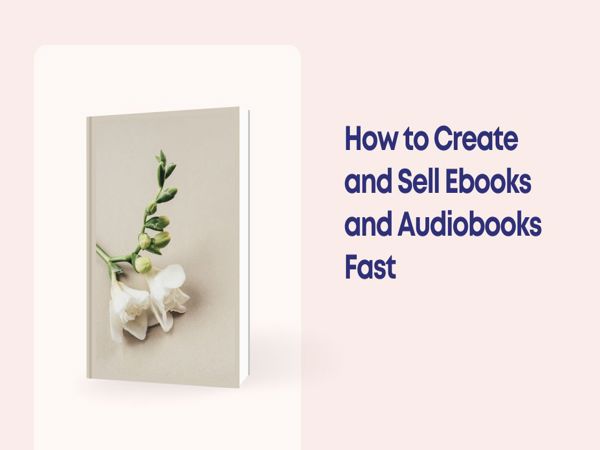
In the digital age, ebooks and audiobooks provide an effective way to generate passive income while sharing valuable knowledge. With the right approach, you can create and sell these formats quickly. Here’s a guide with step-by-step solutions, examples, and tips for repurposing content into social media posts to maximize engagement and sales.
1. Choose a Profitable Niche and Topic
- Research: Start by identifying a topic that is in demand but not overly saturated. Use tools like Google Trends, Kindle Best Sellers, or AnswerThePublic to see what potential readers are searching for.
- Example: Suppose you’re knowledgeable about budgeting for beginners. This topic has wide appeal, and you can target new graduates, young professionals, or families looking to manage their finances.
2. Outline Your Content and Create a Writing Plan
- Outlining: Structure your content to include an introduction, chapters, and a conclusion. Each chapter should have a main point with subtopics to maintain flow.
- Set Writing Goals: To speed up the process, set daily word count goals, such as 1,000 words per day. At this pace, a 15,000-word ebook can be finished in two weeks.
- Tip: Use AI writing tools to assist with grammar, style, and idea generation, which can streamline your writing.
3. Convert Your Ebook into an Audiobook
- Recording: After completing the ebook, you can easily convert it to an audiobook. Use platforms like Audible’s ACX, where you can find narrators if you don’t want to record it yourself. Alternatively, you can use text-to-speech software.
- Editing and Quality: Use audio editing tools like Audacity to refine your audio. This helps meet quality standards for popular audiobook platforms.
- Example: If you’ve written a self-help ebook, consider narrating it yourself to create a personal connection with listeners.
4. Design Your Ebook Cover and Layout
- Ebook Cover: A professional cover boosts appeal. Tools like Canva or Adobe Express offer templates that make designing quick and easy.
- Formatting: Use eBook formatting tools like Scrivener, Vellum, or Reedsy to convert your manuscript into ePub or PDF, which are widely accepted formats.
- Pro Tip: If you’re on a tight budget, Fiverr has affordable designers specializing in ebook covers.
5. Sell Your Ebook and Audiobook Online
- Amazon Kindle Direct Publishing (KDP): This platform allows self-publishing of both ebooks and audiobooks, with vast access to Amazon’s audience.
- Gumroad: Ideal for selling directly to your audience. Set up a landing page and share it on social media.
- Audiobook Platforms: Audible and Apple Books are popular options. ACX (Amazon’s Audiobook Creation Exchange) enables authors to publish directly to Audible, Amazon, and iTunes.
Step-by-Step Example: Upload your ebook to KDP. Set your pricing and keywords, and publish. For audiobooks, ACX allows you to upload your audio, set a price, and reach millions of listeners.
6. Promote Your Ebook and Audiobook for Maximum Sales
- Social Media Content: Share snippets or engaging visuals from your book on Instagram, Facebook, and Twitter. Behind-the-scenes videos or teaser graphics work well to attract interest.
- Email Marketing: Build an email list and send out early-bird discounts or exclusive access to chapters to encourage purchases.
- Affiliate Marketing: Platforms like Amazon Associates allow others to promote your book, offering them a commission on each sale.
Example: For a budgeting ebook, create a social media series of tips, such as “5 ways to save $100 a month,” that link back to your ebook or audiobook.
7. Repurpose Content to Boost Reach and Engagement
- Social Media Posts: Break down chapters into digestible posts. Create a carousel post for Instagram with each slide offering a quick tip from your book.
- Blog Articles: Turn individual chapters into blog posts, linking back to the ebook or audiobook.
- Video Content: Record a brief video on key topics from the book to post on YouTube or TikTok, linking viewers to purchase the full version.
Example: If your ebook has a chapter on meal prepping, create a short video showing a meal-prep recipe. This offers value and encourages viewers to explore your book for more ideas.
Benefits of Selling Ebooks and Audiobooks
- Passive Income: Once published, they can generate sales with minimal ongoing work.
- Wide Audience Reach: Digital formats make your work available to audiences worldwide.
- Credibility Boost: Publishing establishes you as an authority, beneficial for personal branding.
Potential Revenue
- Ebook Sales: Most self-published ebooks range from $2.99 to $9.99. Earning even $5 per book means 100 sales will bring in $500.
- Audiobook Sales: Audiobooks often sell for $15 to $30, allowing for potentially higher revenue per sale.
- Example: If you publish both an ebook and audiobook priced at $10 and $20 respectively, and you sell 50 ebooks and 20 audiobooks monthly, you could earn up to $1,400 monthly.
Pros and Cons of Creating and Selling Ebooks and Audiobooks
Pros:
- Low Overhead: Digital products don’t require printing, shipping, or storage.
- Scalability: Selling is limitless, allowing you to reach more customers without added costs.
- Multiple Income Streams: You can earn through different formats (ebook and audiobook) and on multiple platforms.
Cons:
- High Competition: Many people self-publish, making it important to stand out with quality content.
- Time Investment: Writing, recording, and editing can be time-intensive, especially for beginners.
- Marketing Required: Without active promotion, even high-quality books may go unnoticed.
Conclusion
Creating and selling ebooks and audiobooks offers a streamlined, lucrative way to share your knowledge while earning passive income. From choosing a topic to publishing and promoting, following these steps can help you achieve quick results. With each book, your skills, audience, and revenue potential can grow.
.jpg)