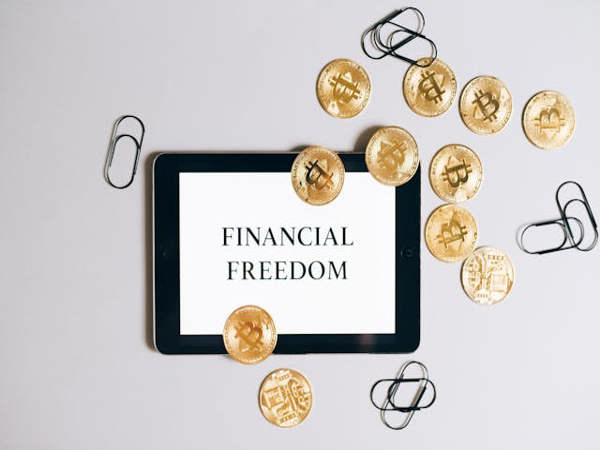
When I first entered university, I never imagined that I'd be financially independent before I graduated. Like most students, I was worried about how I'd manage my expenses and avoid piling up student loans. But as I sit here today, reflecting on my journey, I realize that financial independence isn't just a dream—it's a goal that any student in Nigeria can achieve with the right mindset and strategies.
The Wake-Up Call
It all started in my second year at the University of Ibadan. I was studying Computer Science, and while I loved my course, the financial strain was beginning to take a toll. My parents were supportive, but I could see the struggle in their eyes every time they sent me money for tuition and upkeep. I knew I had to find a way to lessen the burden.
One evening, while browsing through YouTube, I stumbled upon a video titled "How I Became Financially Independent in College." The story of a student in the US who started freelancing and investing inspired me. Although the Nigerian environment was different, I believed I could adapt some of the principles to my situation.
Starting Small: Freelancing and Online Gigs
My first step towards financial independence was freelancing. I had a knack for graphic design, so I signed up on platforms like Fiverr and Upwork. At first, it was slow. The competition was fierce, and getting my first client took weeks. But once I did, the momentum started building. I realized that the key was consistency and constantly improving my skills.
To balance work and studies, I dedicated weekends to my freelance projects, ensuring that my academic performance didn’t suffer. This was crucial because I didn't want to jeopardize my future for temporary financial gains. Over time, I built a steady stream of clients, and the income from freelancing began to cover my daily expenses, reducing my dependence on my parents.
Investing in Digital Assets
As my freelancing income grew, I started exploring investment opportunities. I didn’t have much, but I knew that every naira counted. I began by investing in digital assets, particularly cryptocurrencies. I was cautious, aware of the volatility, but I educated myself thoroughly before diving in.
My first investment was in Bitcoin, which I purchased through a local exchange using funds from my freelance work. I also dabbled in altcoins like Ethereum and Binance Coin. To my surprise, within a few months, my portfolio had grown significantly. I was careful not to get greedy and always reinvested a portion of my earnings while keeping some in a secure wallet for the future.
Leveraging Technology: Building an E-Commerce Store
With my newfound knowledge in digital investments and the extra income I was earning, I decided to take a bigger step—starting my own e-commerce store. I had noticed a gap in the market for affordable tech accessories, especially for students. Armed with this insight, I launched my online store, TechMinds, which sold everything from phone cases to USB drives.
I used social media platforms like Instagram and Twitter to market my products. I also partnered with influencers who helped drive traffic to my store. Within six months, TechMinds was generating enough revenue to cover my tuition fees. The best part? I managed everything from my dorm room with just a laptop and a stable internet connection.
The Role of Student Loans
While I was earning, I still needed some additional funds to scale my business. This was where student loans came in handy. I applied for a student loan from the Nigerian Students Loan Board, and it was a game-changer. Instead of using the loan for personal expenses, I invested it in expanding TechMinds, which in turn increased my earnings. By the time I graduated, I had not only paid off the loan but also grown my business into a sustainable venture.
Mentorship and Networking
One of the most significant factors that contributed to my financial independence was mentorship. I was fortunate to have a mentor, Mr. Bayo, who was a seasoned entrepreneur. He guided me through the complexities of running a business, taught me about financial management, and introduced me to valuable networks. If there's one piece of advice I'd give to any student, it’s to find a mentor who can provide direction and wisdom.
The Lessons Learned
Looking back, my journey to financial independence as a student in Nigeria wasn’t easy, but it was incredibly rewarding. Here are some key takeaways:
- Start Small: You don’t need a huge amount of capital to begin. Start with what you have, and let it grow.
- Diversify Income Streams: Relying on one source of income can be risky. Explore different avenues like freelancing, digital investments, and entrepreneurship.
- Leverage Technology: Use digital tools and platforms to your advantage. The internet is a goldmine of opportunities if you know where to look.
- Invest Wisely: Whether it’s in your business, digital assets, or education, make sure your investments are informed and strategic.
- Seek Mentorship: A good mentor can save you from making costly mistakes and help accelerate your journey to success.
The Future
Today, as I continue to grow my business and explore new investment opportunities, I remain committed to the principles that helped me achieve financial independence. I’m also passionate about sharing my knowledge with other students who aspire to be financially free.
If I could do it, so can you. All it takes is determination, strategic thinking, and the courage to take that first step.
.jpg)